- Where it is going
- Distance is the biggest number in any quote, but the route matters as much. A car going to a city on a busy interstate corridor moves more cheaply than one going somewhere a truck has to detour for.
- Open or enclosed
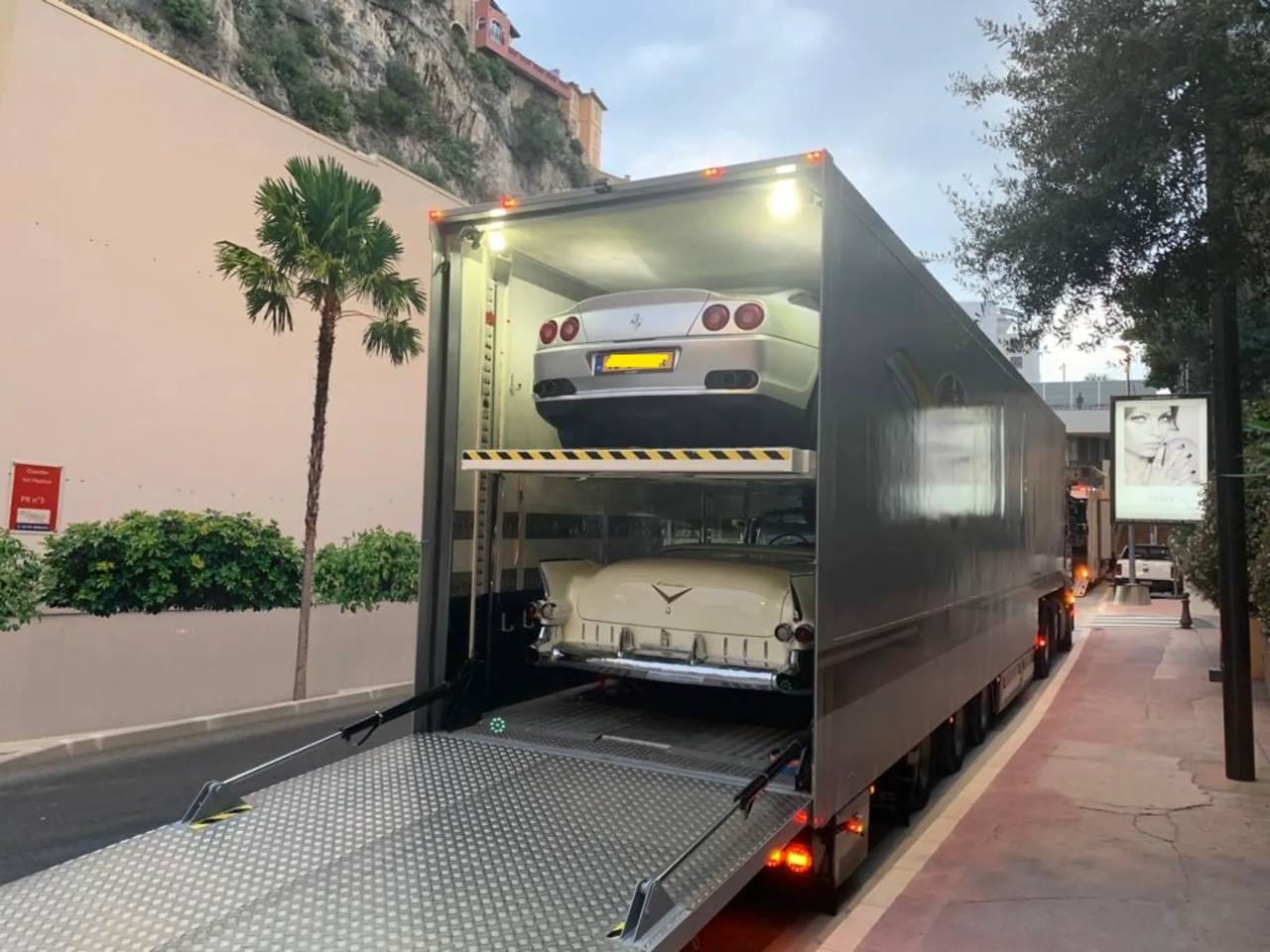
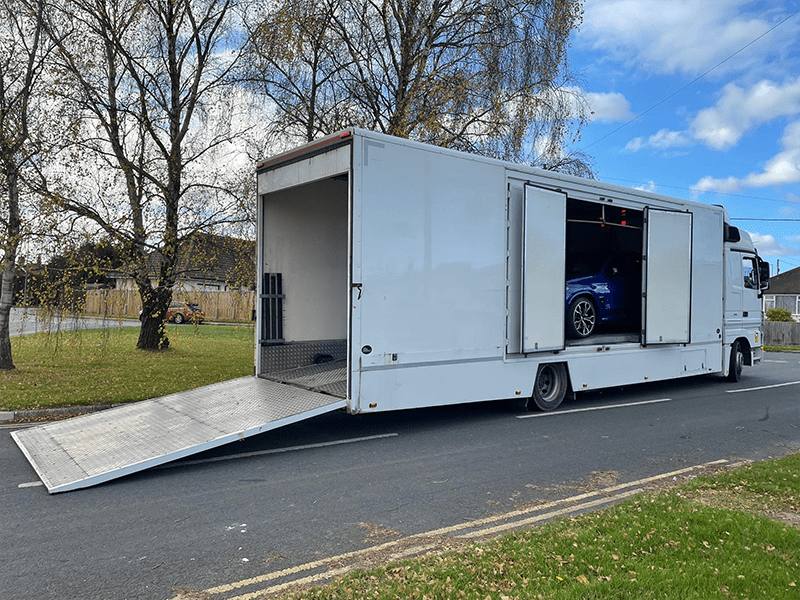
- An open trailer is the two-deck carrier you see on the interstate. It is the cheaper option, and the car is out in the weather and the road grit for the whole trip. An enclosed trailer is a box on wheels: more money, and the car arrives as clean as it left.
- Shared or dedicated
- A shared load is cheaper because you are paying for one slot on a truck that is going anyway. A dedicated trailer costs more because you are paying for all of it.
- Whether it runs and steers
- A car that can be driven onto the trailer under its own power is straightforward. One that has to be winched needs the right equipment and costs more to load.
- How tight your dates are
- Flexible dates are cheaper than a fixed day. If the car has to arrive on a particular afternoon, that is a dedicated run, and it is priced like one.
- The time of year
- Carrier rates move with the season and with the direction of travel. The same trip can be priced differently in March and in October.